
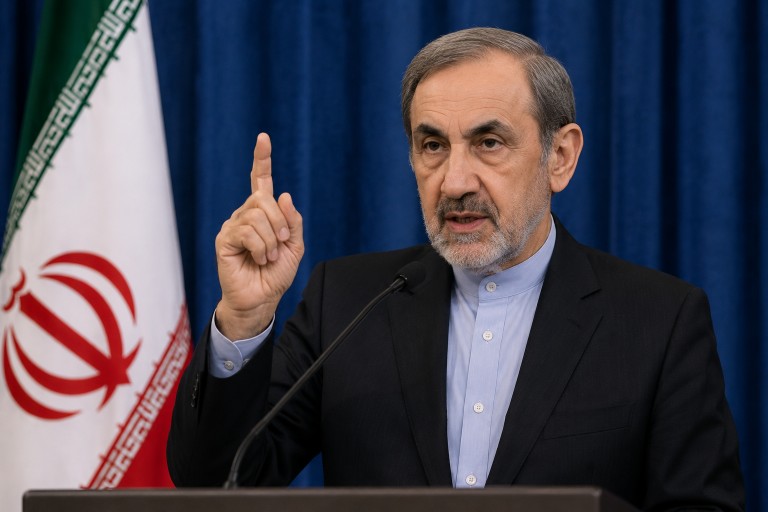
In a tense escalation of regional hostilities, Iran has delivered a stern warning to the United States following President Donald Trump’s declaration that an interim agreement designed to defuse tensions between the two nations is now “over.” The announcement was met with a sharp response from Ali Akbar Velayati, a senior adviser to Iran’s supreme leader, who accused the U.S. of rekindling conflict in the Gulf. He emphasized that Iran is ready to respond swiftly to any further military provocations, underscoring the seriousness with which Tehran views the current situation.
Velayati issued a stark reminder of Iran’s preparedness, asserting that the nation has its “finger on the trigger” and will not remain passive in the face of perceived threats. His comments came after Trump’s statements at the NATO summit, where the U.S. president dismissed the ceasefire agreement following new Iranian attacks on American military installations in Bahrain and Kuwait. These incidents were retaliatory actions by Iran, responding to U.S. strikes on Iranian targets, which were themselves a reaction to earlier assaults on commercial vessels navigating the strategic Strait of Hormuz.
President Trump has not ruled out the possibility of further military measures against Iran, indicating that American forces might initiate more strikes if Iranian actions persist. He highlighted that critical Iranian infrastructure, such as Kharg Island, could be targeted in future operations, suggesting a potential escalation in military engagements.
The renewal of hostilities and threats has complicated efforts to restore the ceasefire, raising alarm over the potential for a broader conflict in the Gulf. The ongoing tensions pose a significant risk to regional stability and have already begun to impact global energy markets, given the Gulf’s critical role in oil production and shipping.