
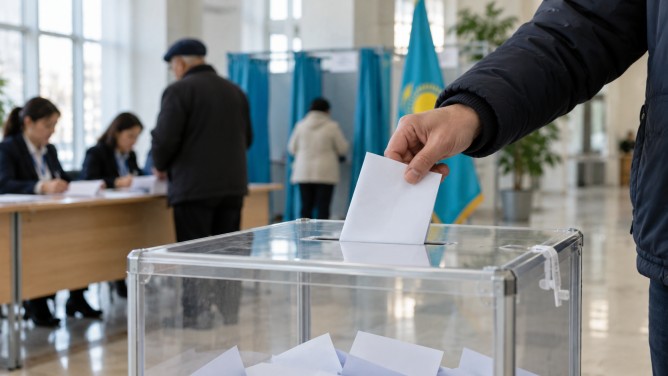
Kazakhstan is preparing for early local elections on November 29, as announced by the Central Election Commission. This decision comes after President Kassym-Jomart Tokayev issued a decree that ended the powers of the local representative bodies, known as maslikhats, at all levels. According to Kazakhstan’s election law, when maslikhats’ powers are terminated early, the Central Election Commission is required to call elections within two months.
The upcoming elections will fill 3,447 seats across 228 maslikhats, which include regional, city, and district levels. Specifically, there are 668 seats at the regional level, 626 at the city level, and 2,053 at the district level. These elections are crucial as they will determine the composition of local governance bodies that play a key role in regional administration.
Maslikhat deputies are chosen by local residents through a process of direct, equal, and secret voting. Once elected, these deputies serve a term of five years, engaging in the development and implementation of local policies and programs that affect their respective areas.
The organization of these early elections highlights the dynamic nature of Kazakhstan’s political landscape and the mechanisms through which local governance is conducted. The Central Election Commission’s role in ensuring the timely execution of these elections underscores the importance of adhering to the country’s electoral laws and processes.
This electoral event is a significant step in Kazakhstan’s ongoing governmental processes, reflecting both the challenges and the adaptability inherent in its political system. Residents across the nation will soon have the opportunity to influence their local governance and contribute to the shaping of their communities through their votes.