
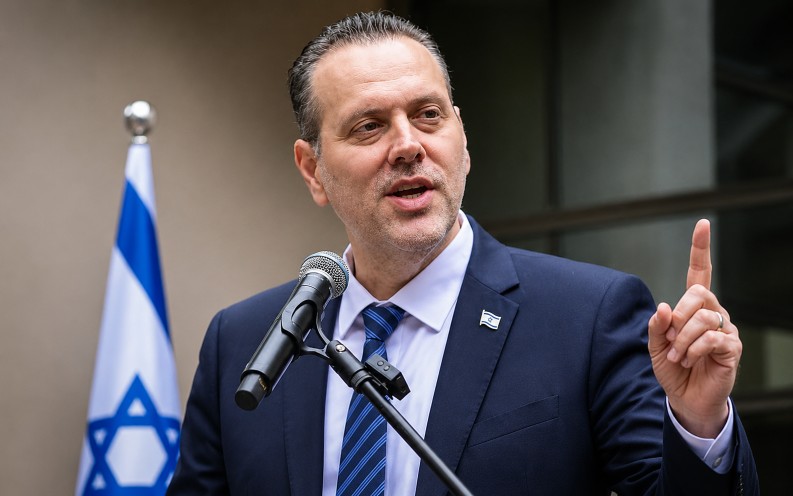
In a recent development, Israeli Culture and Sports Minister Miki Zohar has assured that Prime Minister Benjamin Netanyahu will adhere to any verdict passed by the High Court of Justice. This statement was made in response to allegations that the government is potentially initiating a constitutional crisis. The cabinet’s approval of a resolution which rejects the recognition of decisions by the Council of the Second Authority, despite a High Court ruling that permitted the broadcasting regulator to function without the necessary quorum, has sparked these claims.
The government challenges the court’s decision, arguing that it contradicts current legal statutes and emphasizing that all branches of the state, including the judiciary, need to function within the legal framework. According to Zohar, the cabinet’s resolution was aimed at averting a constitutional crisis rather than instigating one. Yet, this move has been met with significant backlash from opposition figures and legal authorities.
President Isaac Herzog has cautioned that disregarding rulings from the High Court would breach a critical boundary. Similarly, former Prime Minister Naftali Bennett expressed concerns that such actions could result in constitutional turmoil and destabilize democratic governance. The core of this dispute revolves around the broadcasting council’s authority to approve a proposed acquisition of Channel 13. Critics argue that the government is attempting to exert political influence over media regulation through its control of the council.
The controversy underscores the tension between the Israeli government and its judiciary over the interpretation and application of legal boundaries. While the government stresses the necessity for legal adherence by all state institutions, critics see the resolution as a potential threat to democratic principles and judicial independence. The ongoing debate continues to stir significant political and public discourse within the country.