
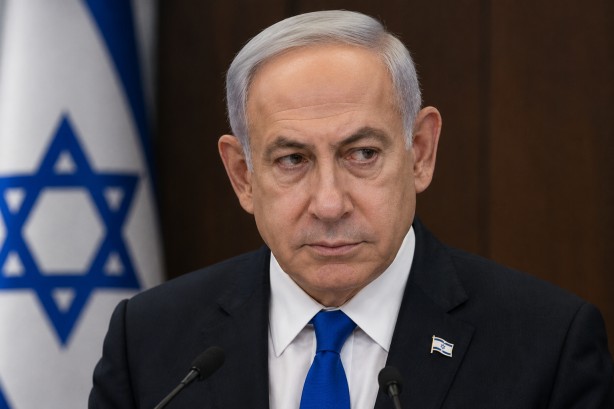
The political tension between Israel and the United States has recently been highlighted by remarks from New York City Mayor Zohran Mamdani, suggesting that Israeli Prime Minister Benjamin Netanyahu should face arrest if he visits the city. This statement is in reference to an arrest warrant from the International Criminal Court (ICC), which Netanyahu has dismissed as unfounded. Despite the controversy, Netanyahu has confirmed his plans to travel to New York in September to participate in the United Nations General Assembly.
Netanyahu has strongly criticized Mamdani’s comments, accusing the mayor of inciting hatred. He has also reaffirmed his stance that the ICC’s allegations of war crimes are without merit, questioning the court’s authority and the validity of its claims. Mamdani has acknowledged that New York City lacks the legal power to enforce the ICC warrant, but he believes it is the responsibility of the U.S. federal government to take action. He has been vocal about his opposition to welcoming individuals accused of war crimes into the city.
The potential visit from Netanyahu comes amid growing political divisions in the U.S. regarding Israel, a situation the Israeli Prime Minister has expressed concern about. Netanyahu warns that these divisions could exacerbate antisemitism, which he claims is already a growing problem, noting the increasing sense of insecurity among Jewish communities in New York.
The ICC’s arrest warrants pertain to alleged crimes during the Gaza conflict, a contentious issue that continues to spark international debate. Israel has consistently denied the ICC’s jurisdiction and any wrongdoing in the matter, standing firm in its rejection of the court’s actions. The broader implications of this dispute highlight ongoing challenges in addressing accountability and conflict in Gaza.