
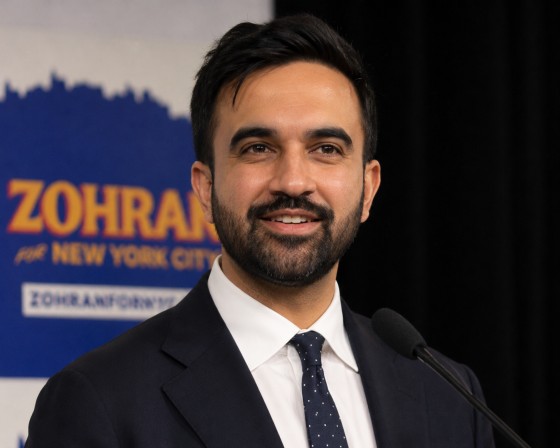
New York City Mayor Zohran Mamdani has openly acknowledged that the city lacks the legal framework to detain Israeli Prime Minister Benjamin Netanyahu should he visit the United States later this year. In a social media video, Mamdani shared that his administration had thoroughly examined all legal avenues concerning the arrest warrant issued by the International Criminal Court (ICC) against Netanyahu. However, they concluded that New York City’s jurisdiction does not extend to enforcing such international mandates.
Despite the legal limitations, Mamdani urged the federal government to acknowledge the ICC warrant and take corresponding measures. He labeled Netanyahu as a war criminal and expressed that neither Netanyahu nor anyone facing similar accusations would be welcome in New York City. Netanyahu’s anticipated visit to New York in September for the United Nations General Assembly has reignited discussions about the ICC’s warrant, which was issued in 2024 over alleged war crimes.
The United States, however, does not recognize the jurisdiction of the ICC and is not a member of the court, complicating any potential enforcement of the warrant on American soil. During his campaign for mayoral office, Mamdani had vowed to investigate possible actions New York City could take if Netanyahu were to enter the city limits, reflecting his firm stance on the issue.
In response to Mamdani’s statements, former US President Donald Trump criticized the mayor’s remarks, asserting that Netanyahu would not face arrest in the United States and defended the Israeli leader’s past actions. This defense highlights the ongoing complexities of international legal proceedings and the geopolitical alliances that influence such matters.
For his part, Netanyahu has brushed aside the controversy, indicating that he is untroubled by the mayor’s comments. As the situation unfolds, the intersection of international law and local governance continues to present challenges for leaders navigating these global issues.