
In a significant move towards stabilizing the volatile situation at the Lebanon-Israel border, Israel and Hezbollah have reached an agreement to reinstate a tenuous ceasefire. This development comes after a recent escalation in violence that threatened to destabilize the region and delay crucial diplomatic engagements between the United States and Iran.
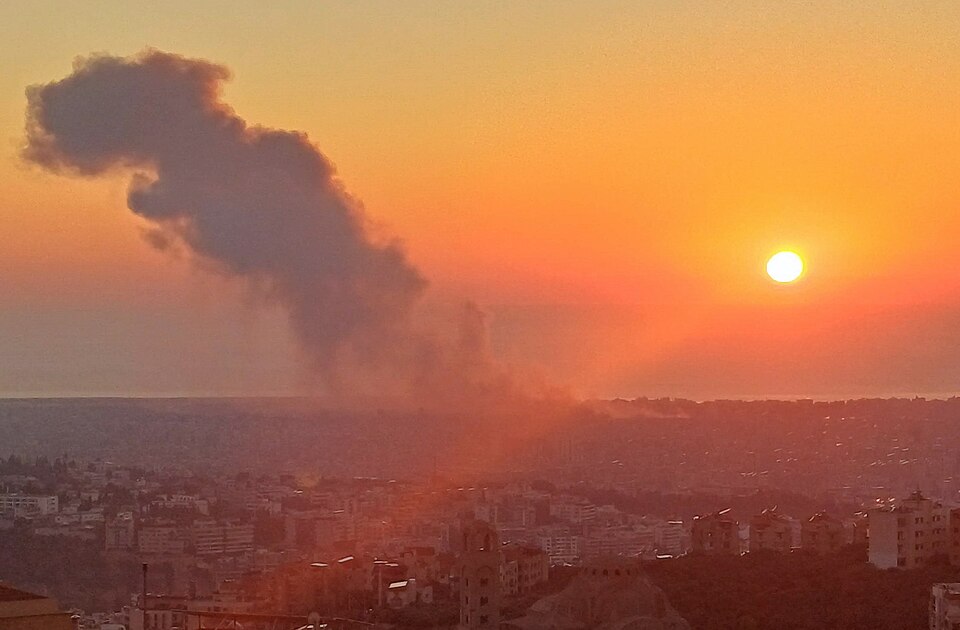
The recent hostilities erupted when Hezbollah launched assaults on Israeli forces stationed in southern Lebanon, leading to the fatalities of several Israeli soldiers. In retaliation, Israel conducted a series of extensive airstrikes aimed at Hezbollah positions within southern Lebanon, resulting in numerous casualties and substantial infrastructural damage.
This surge in violence had immediate international repercussions, notably causing the postponement of scheduled diplomatic talks between the US and Iran in Switzerland. These discussions were intended to address the implementation of a newly signed framework agreement regarding Iran’s nuclear program as well as broader regional security concerns.
Despite the heightened tensions, both Israel and Hezbollah have subsequently expressed a willingness to de-escalate and adhere to the ceasefire terms. Representatives from each side have indicated that as long as the truce is maintained, further conflict can be averted.
The reestablishment of the ceasefire is viewed as a crucial step towards supporting diplomatic initiatives aimed at mitigating regional tensions. However, persistent disagreements concerning security protocols in southern Lebanon, coupled with wider geopolitical frictions, continue to pose significant obstacles to achieving a durable peace.