
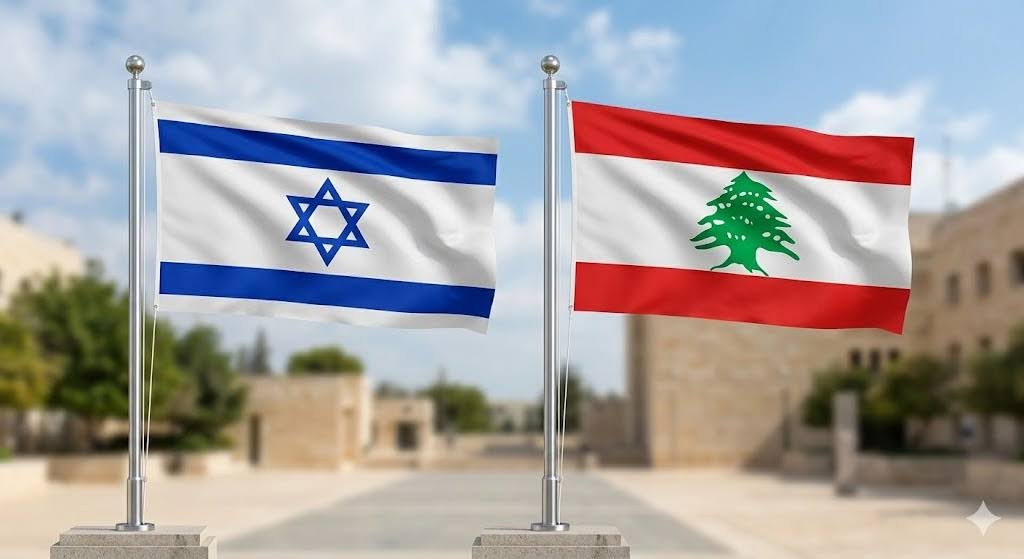
In a bid to ease hostilities along their border, Israel and Lebanon have agreed to renew a ceasefire, marking another chapter in the ongoing diplomatic attempts to quell tensions throughout the Middle East. This agreement entails that Hezbollah fighters will cease their attacks and pull back from territories south of the Litani River in Lebanon’s southern region. A key feature of this agreement is the establishment of pilot security zones, where the Lebanese Armed Forces will exercise sole authority, thereby minimizing the presence of armed non-state actors.
Despite the renewed ceasefire, reports have surfaced indicating continued military activities in some parts of southern Lebanon. This underscores the persistent difficulties in translating diplomatic commitments into realities on the ground. The truce follows several rounds of negotiations and is seen as a crucial move towards mitigating regional instability. Further discussions are anticipated to iron out the specifics and to supervise the gradual implementation of the ceasefire agreement.
This diplomatic breakthrough coincides with the United States’ efforts to advance broader negotiations in the region, particularly those involving Iran. High tensions continue to simmer, fueled by recent military confrontations in the Gulf and ongoing disputes regarding the influence of Iran-backed factions, complicating the diplomatic landscape.
Experts suggest that the success of the ceasefire between Israel and Lebanon could significantly influence future diplomatic initiatives and contribute to the potential for greater stability across the region. The truce is thus not only a pivotal local development but also a potentially transformative step in a broader geopolitical context.