
The European Union is taking significant steps to fortify its supply chain for critical raw materials, aiming to reduce its dependence on China amid potential trade tensions. The EU has announced support for 46 strategic projects under the Critical Raw Materials Act, designed to secure resources essential to industries such as automotive, defense, and renewable energy.
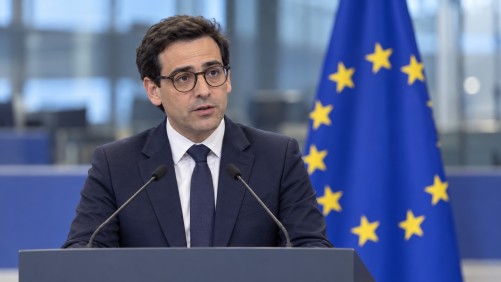
European Commission Industry Commissioner Stéphane Séjourné emphasized the importance of preparing for possible disruptions in the coming months. The projects, which include facilities for lithium, gallium, and rare earth elements, require an estimated total investment of €21 billion. The EU’s goal is to extract at least 10% of its annual consumption of strategic raw materials domestically, process 40% within the bloc, and recycle 25% by 2030.
Some projects are already underway, such as a rare earth processing plant near Pau, France, expected to produce dysprosium and terbium for electric vehicles and wind turbines. Additionally, a gallium plant in Greece is operational, and Finland’s Keliber lithium extraction and processing project has commenced with €150 million in backing from the European Investment Bank.
Despite the strategic classification, these projects do not automatically receive direct funding but benefit from accelerated permitting processes and improved investment prospects. The EU member states have already unlocked €1 billion for six initiatives, and the European Investment Bank has provided €660 million for eight projects.
In an effort to address trade imbalances and concerns over Chinese imports, the EU is also engaging in diplomatic discussions with China. Trade Commissioner Maroš Šefčovič is continuing talks in Beijing to ease tensions and ensure a stable supply of materials.
Industry representatives, however, have voiced concerns about whether the current support measures are sufficient to meet the ambitious targets set by the EU. The bloc hopes these projects will bolster its domestic raw materials industry, enhance economic security, and mitigate risks from international supply chain disruptions.