
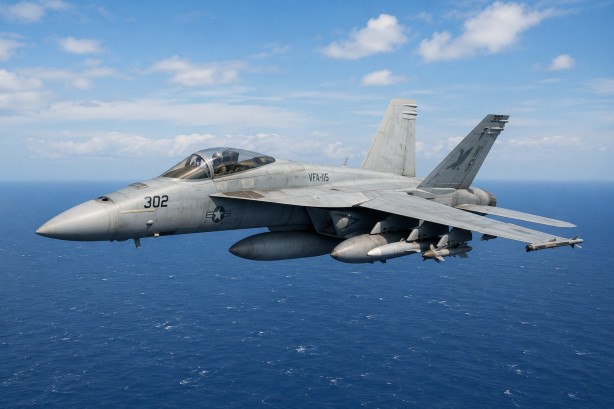
Recent developments in the ongoing conflict between the United States and Iran have escalated tensions, threatening to spill over into a broader regional confrontation. This surge in hostilities follows a brief respite after a temporary agreement was reached last month. The United States has launched strikes on multiple targets near Tehran and other areas, including an operation against a vessel accused of breaching a naval blockade. In response, Iranian officials have reported casualties and denounced these actions, particularly those affecting civilian infrastructure.
Iran has retaliated by deploying missiles and drones targeting nations in the region that host U.S. military bases, such as Bahrain, Jordan, and Kuwait. These actions have heightened regional security concerns, especially following reports of drone activity near vital Iraqi oil installations. The strategic Strait of Hormuz, a crucial artery for global shipping, has also become a flashpoint. Iran has issued warnings against foreign meddling in the strait, hinting at potential military expansion if their strategic facilities are further targeted. The disruption in this key shipping route has raised fears about global energy supplies and driven up oil prices.
The intensifying conflict has led several nations to reassess their maritime security protocols, as shipping traffic through the Strait of Hormuz has diminished amid the ongoing clashes. This slowdown underscores the international anxiety over the stability of energy supplies that rely heavily on the unhindered passage through these waters.
Despite the military confrontations, diplomatic channels remain open as efforts to resume negotiations continue. However, the path to a lasting ceasefire remains fraught with challenges, as stark differences persist between officials in Washington and Tehran. This divergence in positions has cast doubt on the likelihood of achieving a sustainable resolution in the near future.