
As environmental concerns loom over the Mediterranean region, Israel is grappling with a significant disruption to its water supply due to an extensive algae bloom along its coast. This natural phenomenon, which has spread up to 100 kilometers, has severely impacted the operations of five out of six major desalination plants in the country. With filtration systems clogged, these facilities have been forced to temporarily shut down, leaving the nation to face weeks of reduced water availability.
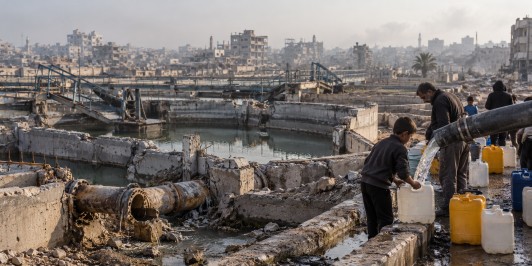
The sudden bloom has been attributed to escalating marine pollution, notably linked to the discharge of untreated wastewater from Gaza. The ongoing conflict has devastated Gaza’s wastewater treatment infrastructure, resulting in approximately 45,000 cubic meters of raw sewage pouring into the Mediterranean daily. This influx of nutrients, such as nitrogen and phosphorus, is believed to be fueling the rapid growth of algae, further straining Israel’s desalination capabilities, particularly in the southern regions.
In response to the crisis, Israeli water authorities have called upon citizens to conserve water, urging caution in its use. This advisory extends to farmers in the affected areas, who have been instructed to pause irrigation activities to mitigate the strain on the already limited water supply. The reduction in desalination capacity underscores the broader environmental and infrastructural challenges facing the region.
Meanwhile, the humanitarian situation in Gaza continues to deteriorate as the destruction of water infrastructure leaves many residents reliant on water trucks for their daily needs. The absence of functional wastewater treatment plants has not only contaminated local water sources but also increased the risk of waterborne diseases, including diarrhea and skin infections, among the Palestinian population.
Environmental groups within Israel have highlighted the transboundary nature of this crisis, stressing the need for urgent measures to restore Gaza’s wastewater systems and manage sewage effectively. These organizations warn that without prompt intervention, the pollution could have far-reaching consequences for both Israeli and Palestinian communities, as well as the broader Mediterranean ecosystem.