
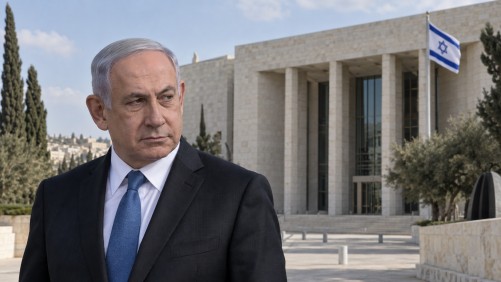
In the wake of significant political shifts and national security concerns, the Israeli government is poised to reignite contentious efforts to reform its judicial system. The proposed changes, which have previously sparked widespread protests, aim to alter the balance of power between Israel’s legislative and judicial branches, particularly impacting the Supreme Court’s role in reviewing legislation.
Prime Minister Benjamin Netanyahu’s coalition is moving forward with plans that had been largely shelved following the attacks on October 7 and the subsequent formation of a unity government. These reforms include restricting the Supreme Court’s capability to overturn legislation and narrowing the criteria for who can bring petitions before the court. Proponents argue that such measures will bolster the Knesset, Israel’s parliament, by reducing judicial intervention in legislative affairs.
Central to these reforms is a proposed overhaul of the process for appointing Supreme Court justices. Legislation already approved, but not yet implemented, would remove the veto power previously held by professional representatives. This change requires collaboration between the coalition and opposition parties to appoint justices, with each side able to appoint one in the event of an impasse. This could lead to a significant shift in the court’s composition, as four justices have already retired and six more are expected to do so within the next three years.
Supporters of the judicial reforms argue that the current system grants excessive power to the judiciary, thus hampering legislative actions and curbing majority rule. However, critics, including opposition lawmakers and legal scholars, warn that these changes could undermine institutional checks on government authority, increasing political influence over judicial decisions.
The implications of the proposed reforms extend beyond the judiciary, potentially affecting other sectors such as media regulation and religious affairs. Critics argue that stronger judicial oversight is essential to safeguarding individual and minority rights, particularly in light of recent government moves affecting media oversight and the Orthodox religious establishment.
As Israel approaches its next election, the debate over judicial reform is expected to remain a pivotal issue. Discussions about the structure and powers of the Supreme Court are likely to play a central role in shaping the future of the country’s governance system.