
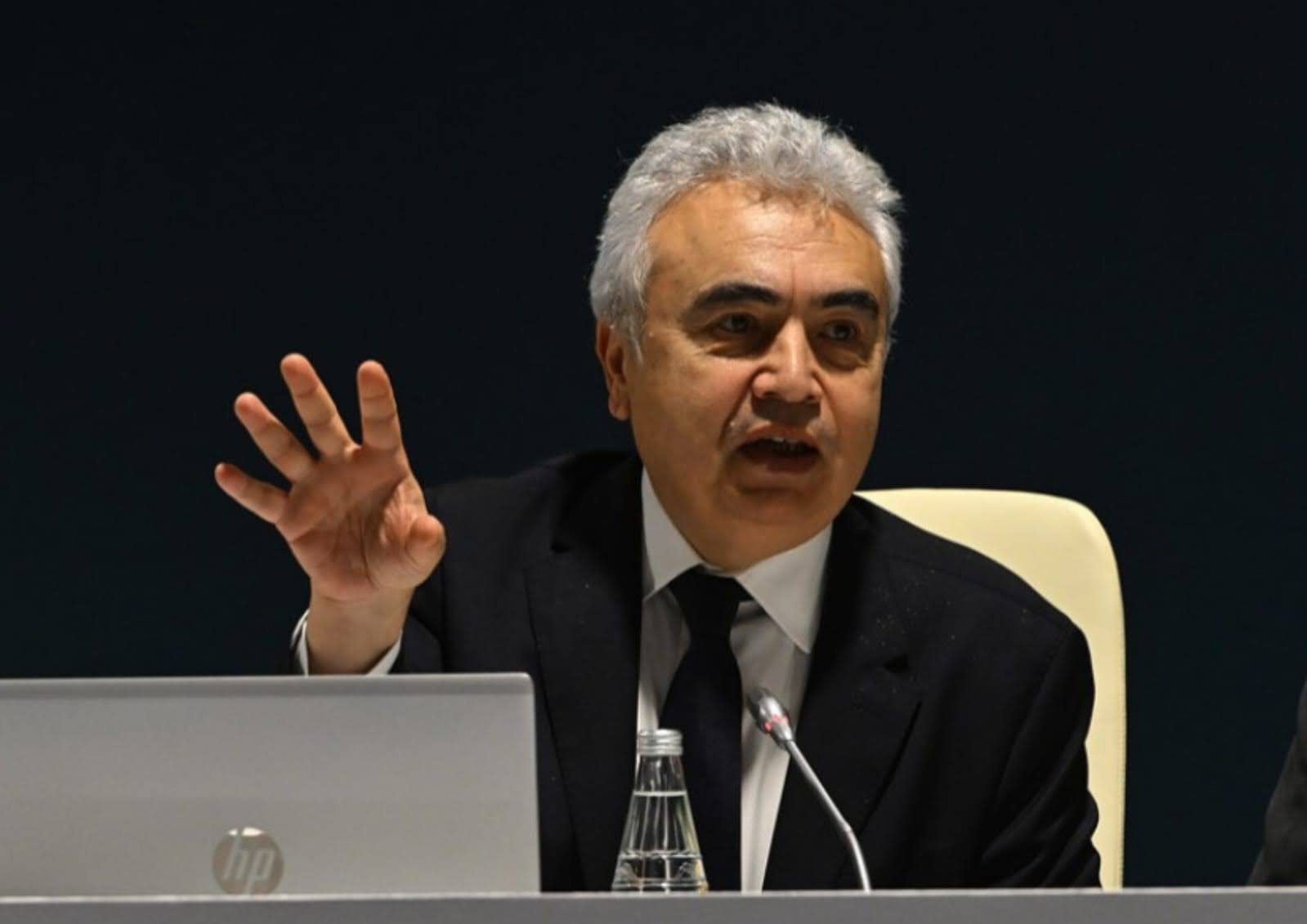
The Iran war has demonstrated more clearly than any previous event that energy security and military security are inseparable, the head of the International Energy Agency has said. Fatih Birol, speaking in Canberra, said the conflict had shown that critical energy infrastructure could be targeted and destroyed with devastating consequences for the entire global economy. He described the resulting crisis as equivalent to the combined force of the 1970s twin oil shocks and the Ukraine gas emergency.
Birol noted that the attacks on Gulf energy infrastructure and the closure of the Strait of Hormuz had effectively weaponized energy supply on a scale that had no modern parallel. At least 40 major energy assets across the Gulf had been severely damaged, and the Hormuz strait — through which approximately 20 percent of global oil flows — had been closed to commercial shipping by attacks on vessels. The result had been the worst energy supply disruption in modern history.
The conflict began February 28 with US and Israeli strikes on Iran and has since removed 11 million barrels of oil per day and 140 billion cubic metres of gas from world markets. The IEA responded on March 11 with the largest emergency reserve release in its history — 400 million barrels of oil. Birol confirmed further releases were under consideration and said the IEA was consulting with governments across three continents.
Demand-side measures including remote work, lower speed limits, and reduced commercial aviation were being implemented by member states. Birol said these steps were helping to reduce market pressure and ease economic pain. But he stressed that without the reopening of the Hormuz strait and the cessation of attacks on energy infrastructure, the crisis would continue to worsen.
Trump’s 48-hour ultimatum to Iran to reopen the strait expired without resolution, and Tehran threatened retaliatory strikes on US and allied energy and water infrastructure. Birol met with Australian Prime Minister Anthony Albanese and called for the integration of energy security considerations into military and defense planning at every level of government. He said the era in which energy security could be treated as purely an economic question was definitively over.