
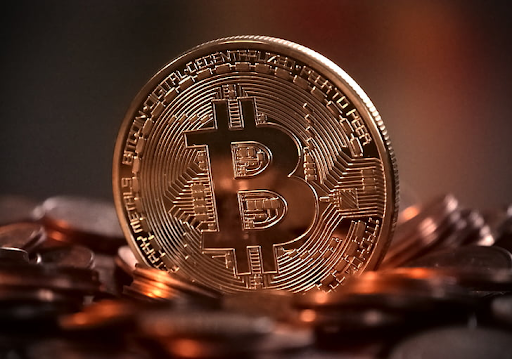
A chorus of warnings from some of the financial and technology world’s most influential figures is growing louder, suggesting that the current market downturn is just the beginning. With the crypto market shedding $1 trillion and Bitcoin tumbling to $91,212, the cracks in the financial system are becoming visible. Sundar Pichai, CEO of Alphabet, has openly discussed the “irrationality” gripping the market, particularly regarding the AI boom. His warning that “no company is going to be immune” implies that the current volatility is a precursor to a much wider correction.
Joining Pichai in this assessment is Daniel Pinto of JP Morgan Chase, who has stated that AI valuations are overdue for a reassessment. The concern centers on the massive influx of capital into companies like Nvidia, now valued at $4 trillion. If these valuations are built on hype rather than sustainable earnings, the unwinding of these trades could be violent. The recent 1.3% drop in the FTSE 100 and the slide in US indices suggest that the market is beginning to heed these warnings and price in the risk.
The mechanics of this potential crash are worrying for retail investors. Sebastian Siemiatkowski of Klarna has pointed out that the structure of index funds means that ordinary pension savings are heavily exposed to these overvalued tech giants. A bursting of the AI bubble wouldn’t just hurt hedge funds; it would erode the wealth of the middle class. This systemic risk is contributing to the “perfect storm” of anxiety that is currently driving the sell-off across asset classes.
The trigger for this shift in sentiment is the macroeconomic backdrop. The fading hope for a Federal Reserve interest rate cut has removed the liquidity that fueled the speculative frenzy. Without cheap money, the “irrational” valuations identified by Pichai cannot be sustained. This realization is causing a rapid repricing of risk, hitting the most speculative assets—like cryptocurrencies—first and hardest, before spreading to the broader equity markets.
Even gold has been caught in the crossfire, dipping to $4,033 an ounce. However, unlike the speculative assets currently imploding, gold has a history of recovery. UBS analysts remain confident that the metal will rebound as central banks continue their buying programs. For now, however, the message from the market’s leaders is clear: the irrational exuberance is over, and a return to reality is underway—a transition that promises to be painful for unprepared investors.