
Act one: Ukraine fights Iranian drones deployed by Russia for years, develops the world’s best interception system, and offers it to the United States in August. America declines. Act two: Iranian drones kill seven Americans, the US spends millions on inadequate defenses, and Washington calls Kyiv for help. Ukraine responds in 24 hours. The play did not need two acts.
Ukraine’s expertise in the Shahed problem developed through operational necessity rather than forward planning. Russian forces began deploying Iranian-designed drones against Ukraine at scale and did not stop. Kyiv had to develop counter-drone solutions or accept an unwinnable war of attrition. The systems that emerged from this necessity are now the most proven anti-Shahed capabilities in the world.
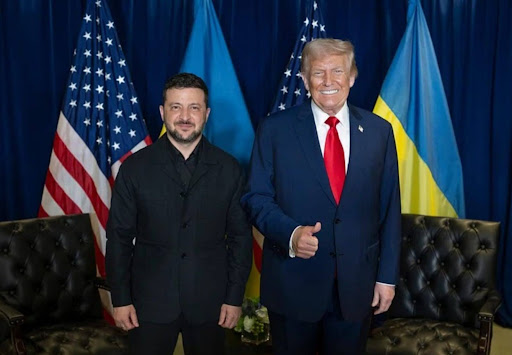
The August White House meeting was Ukraine’s formal attempt to make this capability available to American partners. The briefing covered the threat environment, proposed specific regional defense infrastructure, and warned explicitly about Iran’s advancing drone program. Zelensky personally advanced the case, and Trump responded positively.
Act one ended when the administration failed to follow through. Political skepticism and bureaucratic inertia combined to shelve the proposal. The consequences — seven dead Americans and millions in avoidable defense spending — opened act two. Iran’s drones struck. The US scrambled. Washington called Kyiv.
Act two ended — or at least improved — when Ukrainian specialists landed in Jordan and Gulf states within 24 hours of the American request. The story of these two acts will define how this conflict is remembered strategically. The lesson it teaches about the cost of ignoring expert allies will last considerably longer.